
Buying Guides
Role of HR Steel in Infrastructure Development: Building the Backbone of Modern Nations
28 Aug 2026
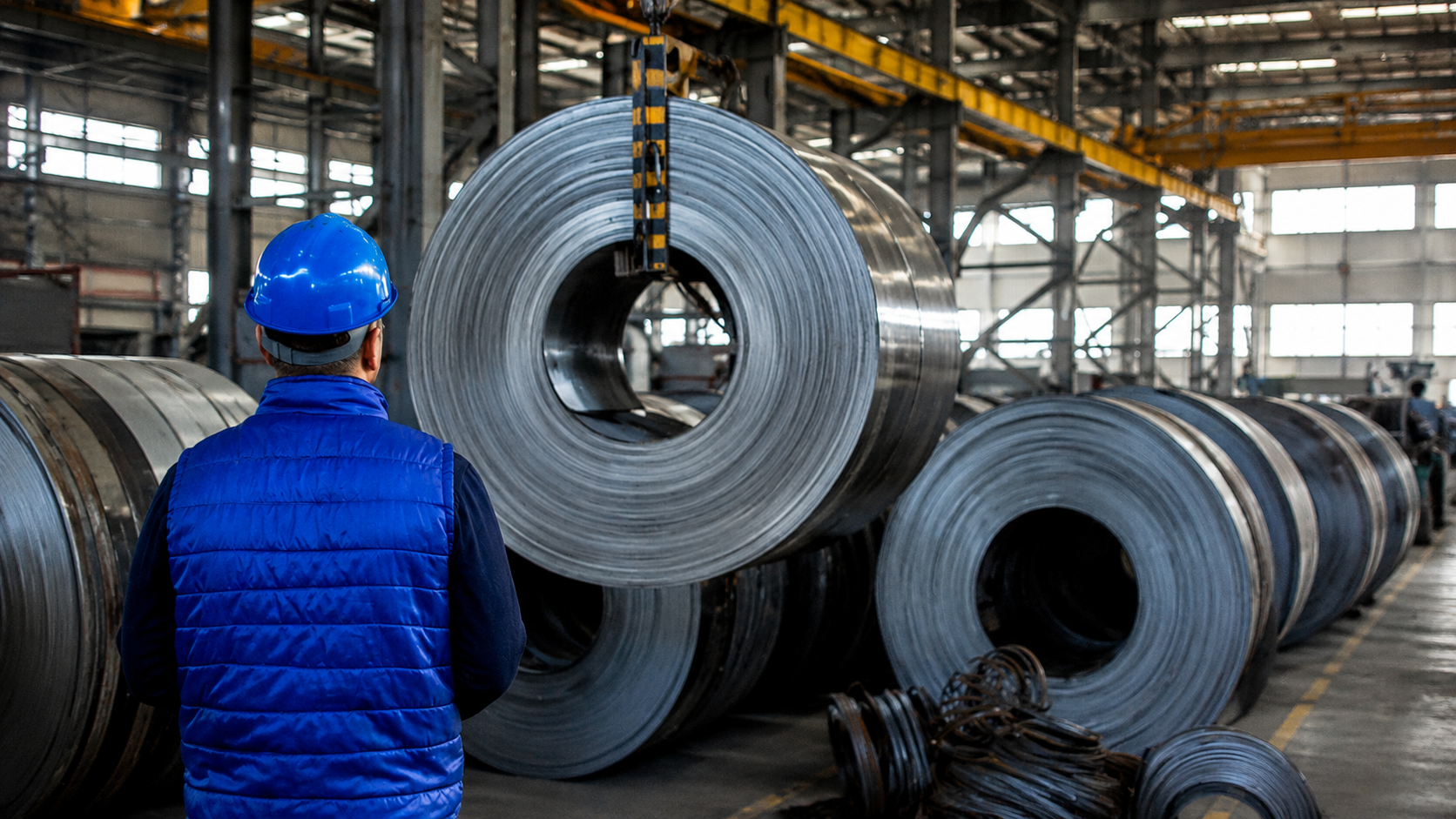
TL;DR: HR Steel is rolled above its recrystallization temperature, making it easier to form and free of internal stresses. It's the primary material for bridges, high-rises, industrial sheds, pipelines, and marine/port structures. Engineers prefer it for cost-effectiveness, malleability, and weldability on large-scale projects. Steel is highly recyclable, positioning HR Steel as a future-proof choice under Green Steel and ESG goals. Enlight Metals supplies HR Steel that meets international benchmarks, minimizing project downtime.
India's infrastructure sector is undergoing rapid transformation driven by industrial expansion, urbanization, smart city development, logistics growth, renewable energy projects, and government-backed mega infrastructure initiatives. From highways and industrial corridors to airports, metro rail systems, warehouses, factories, and commercial structures, steel remains the backbone of modern infrastructure construction.
Infrastructure is the silent engine of economic growth. From the towering skyscrapers of our urban centers to the expansive bridges connecting remote regions, the physical framework of a nation determines its prosperity. At the heart of this development lies a critical material: Hot Rolled (HR) Steel.
As urban populations swell and the demand for sustainable, resilient structures rises, the importance of high-quality steel cannot be overstated. Companies like Enlight Metals Private Limited have become pivotal players in this ecosystem, providing the essential HR steel products that transform architectural blueprints into enduring realities.
What is HR Steel?
Hot Rolled (HR) steel is produced through a mill process where the steel is rolled at high temperatures (typically over 1,700°F), which is above the steel's recrystallization temperature. This makes the steel easier to form and results in products that are easier to work with.
Because HR steel is allowed to cool at room temperature, it is essentially normalized meaning it is free from internal stresses that can arise from quenching or work-hardening processes. This makes it the ideal candidate for massive infrastructure projects where structural integrity and versatility are non-negotiable.
The Strategic Importance of HR Steel in Infrastructure
The versatility of HR steel allows it to serve multiple functions across various sectors of infrastructure:
- Bridges & Transportation Networks HR steel plates and sections offer the high tensile strength and ductility needed to withstand heavy traffic loads and environmental stressors, from highway overpasses to railway bridges
- High-Rise Construction & Industrial Sheds HR steel beams (I-beams, H-beams) and columns form the primary structural framework of skyscrapers, warehouses, and factories
- Energy & Pipeline Infrastructure HR steel's weldability and formability make it the preferred material for large-diameter pipes, heavy-duty energy casings, wind turbine towers, and solar mounting systems
- Marine & Port Development Often treated or alloyed for corrosion resistance, HR steel is used in ship hulls, bulkheads, and port cranes, with the ability to be produced in thick plates for maritime infrastructure
Why Engineers Prefer HR Steel for Large-Scale Projects
When a project moves from the design phase to the construction phase, the choice of material is dictated by three factors: Cost, Strength, and Workability.
- Cost-Effectiveness requires less processing than Cold Rolled (CR) steel, making it more affordable for large-scale applications needing massive quantities
- Malleability the hot rolling process allows large, complex shapes to be formed, vital for bespoke infrastructure projects needing non-standard components
- Weldability exceptionally easy to weld, which matters in infrastructure where thousands of joints must be secured safely
Enlight Metals Private Limited: Powering the Future of Infrastructure
In a competitive market, the reliability of your material supplier is just as important as the material itself. Enlight Metals Private Limited has established itself as a trusted name in the steel distribution and supply chain industry.
By focusing on quality assurance and timely delivery, Enlight Metals Private Limited ensures that infrastructure projects whether government-led highway initiatives or private commercial developments never face downtime due to material shortages or sub-par quality. Their commitment to sourcing HR steel that meets international benchmarks helps engineers push the boundaries of what is possible in modern construction.
Sustainability and the Future of HR Steel
The modern infrastructure conversation is incomplete without discussing sustainability. Steel is one of the most recycled materials on the planet. HR steel produced today often contains a high percentage of recycled content, and at the end of a building's life cycle, the steel can be recovered and repurposed.
The role of HR steel in infrastructure development is foundational, quite literally. It provides the strength to support our cities, the flexibility to innovate in design, and the durability to last for generations. As we look toward the next decade of global growth, the partnership between innovative construction firms and reliable suppliers like Enlight Metals Private Limited will be the key to building a resilient, interconnected world.