
Buying Guides
Key Properties of Galvanized Steel Every Buyer Should Know
22 Oct 2026
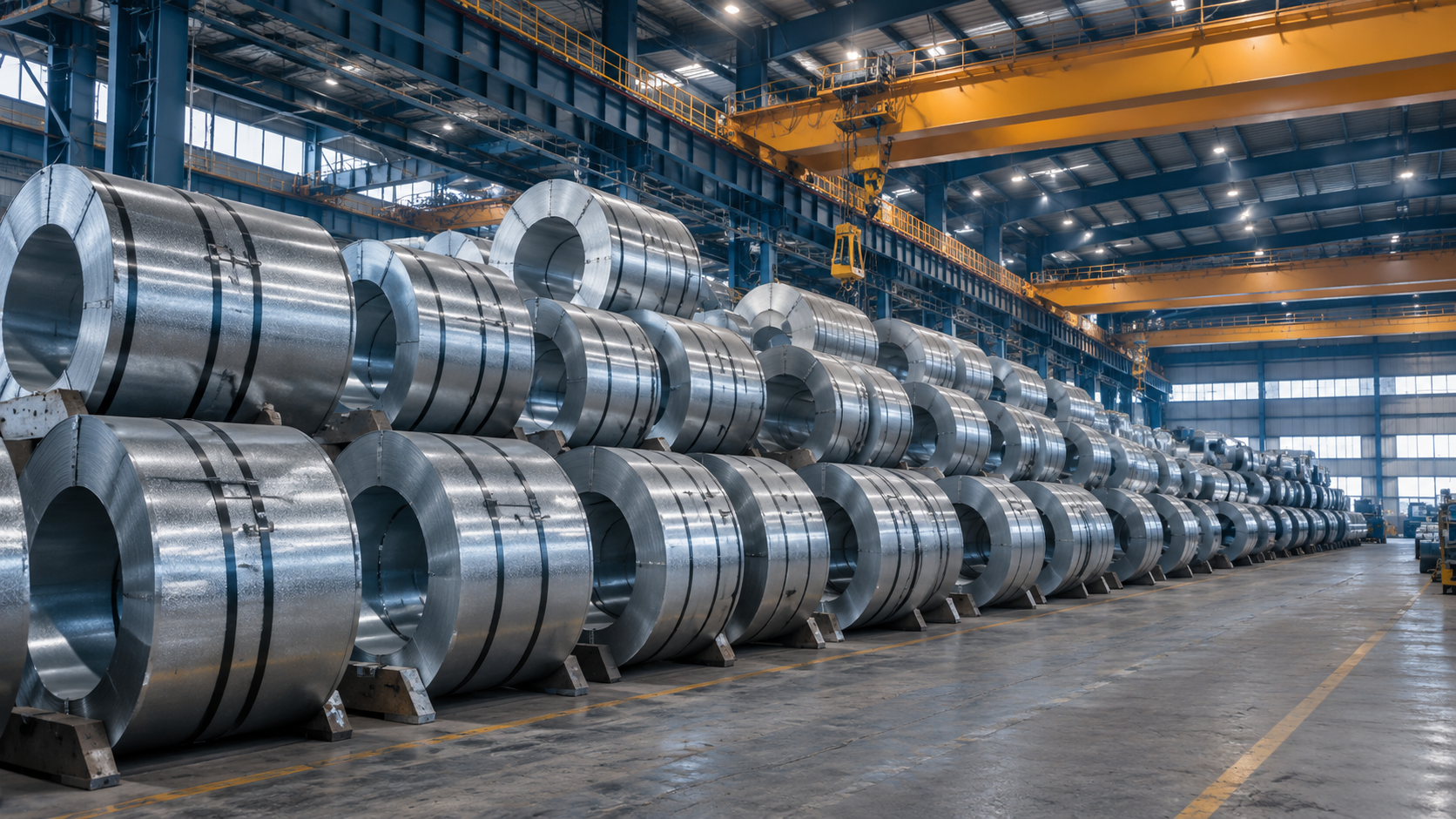
TL;DR: Galvanized steel combines the strength of steel with the corrosion protection of a zinc coating. Strength depends on the base steel grade, while corrosion protection depends mainly on the zinc coating. Coating mass, thickness, surface finish, and formability should be confirmed before purchase. Welding galvanized steel needs ventilation and safe procedures because zinc can vaporise and produce hazardous fumes. Compare technically equivalent products and look at total cost, not just the quoted price.
Introduction
Galvanized steel is widely used across construction, manufacturing, electrical equipment, fabrication, and infrastructure because it combines the strength of steel with the protective benefits of a zinc coating. From electrical enclosures and cable management systems to roofing components and industrial equipment, galvanized steel supports applications where corrosion protection and durability are important.
However, not all galvanized steel products offer the same performance. Factors such as zinc coating thickness, base steel grade, surface quality, material thickness, and forming requirements can influence the suitability of a product for a particular application.
Understanding the key properties of galvanized steel helps buyers select the right material, evaluate supplier specifications, and make informed procurement decisions. For manufacturers, OEMs, fabricators, and industrial procurement teams, knowing these properties is an important step towards sourcing steel that meets both operational and commercial requirements.
1. Corrosion Resistance
Corrosion resistance is one of the most important properties of galvanized steel. The zinc coating helps prevent direct exposure of the underlying steel to moisture and other corrosive elements.
Zinc also provides sacrificial protection because it can corrode preferentially to the steel in certain conditions. This helps protect small, exposed areas, although extensive coating damage can still lead to corrosion of the base metal. The level of protection depends on several factors, including coating thickness, environmental exposure, surface condition, and maintenance practices.
2. Durability and Service Life
Galvanized steel is valued for its durability because the zinc coating helps slow corrosion and preserve the underlying steel. With appropriate material selection and operating conditions, this can support a longer service life and reduce the need for frequent replacement. Durability is particularly important in industrial applications where component failure can interrupt operations or increase maintenance costs.
However, the service life of galvanized steel is not fixed. It varies according to coating characteristics, environmental conditions, mechanical damage, installation quality, and maintenance.
3. Strength and Structural Performance
Galvanized steel retains the mechanical properties of its underlying steel substrate, while the zinc coating provides corrosion protection. Its strength, yield strength, and tensile strength therefore depend primarily on the base steel grade and material specifications.
This makes galvanized steel suitable for a wide range of applications, including fabricated components, electrical panels, enclosures, roofing products, and certain structural elements. It is important to understand that the term galvanized steel does not indicate a single strength level. Different grades are designed for different forming, load-bearing, and manufacturing requirements.
4. Formability and Fabrication Compatibility
Formability determines how well steel can be bent, shaped, stamped, or formed without cracking or developing unacceptable surface defects. Galvanized steel is used in various fabrication processes, including bending, punching, roll forming, and certain stamping operations. Its suitability depends on the base steel grade, thickness, coating characteristics, tooling, and forming conditions.
For applications involving repeated bending or complex shapes, selecting an appropriate grade is particularly important. Excessive deformation or unsuitable processing conditions may damage the coating or affect the finished surface.
5. Zinc Coating Quality and Thickness
The zinc coating is a defining feature of galvanized steel. Its characteristics influence corrosion protection, surface appearance, and suitability for different applications.
Coating requirements are generally specified by coating mass or thickness, depending on the applicable standard and product specification. A higher coating mass often provides greater corrosion protection under comparable conditions, but it does not automatically guarantee the best choice for every application. Buyers should also consider coating uniformity, surface finish, adhesion, and compatibility with downstream processes.
6. Surface Finish and Appearance
Galvanized steel is available with different surface finishes depending on the production process and product specification. The finish may influence appearance, paintability, forming performance, and suitability for visible components.
For applications where the finished product is exposed to view, consistent surface quality can be important. Buyers may need to specify acceptable surface variations, coating defects, or cosmetic requirements. If the galvanized steel will be painted or subjected to additional surface treatment, the compatibility of the coating and pretreatment process should be assessed.
7. Weldability and Joining Requirements
Galvanized steel can be joined using suitable fabrication methods, but welding and other joining processes require consideration of the zinc coating.
The ease of joining depends on the steel grade, coating, component design, and selected process.
8. Cost Efficiency and Maintenance Requirements
Galvanized steel can offer cost benefits by reducing corrosion-related maintenance and extending component service life under suitable conditions. However, its total cost should be assessed beyond the initial purchase price. Relevant considerations include base steel grade, coating specification, material thickness, processing requirements, expected service conditions, transportation, and maintenance.
A lower-priced product may not be economical if it fails to meet the required coating or performance specifications. Similarly, specifying a coating beyond the application's actual needs may increase procurement costs unnecessarily.
How to Select the Right Galvanized Steel for Your Application
Before purchasing galvanized steel sheets or coils, buyers should evaluate the following parameters:
- Application: identify whether the material is intended for construction, fabrication, electrical equipment, roofing, or another industrial use
- Steel grade: select a grade that meets the required strength and forming characteristics
- Material thickness: confirm the required thickness and dimensional tolerances
- Zinc coating: specify the coating mass or designation according to the applicable standard and operating environment
- Surface finish: establish acceptable appearance and downstream processing requirements
- Fabrication method: consider bending, stamping, welding, roll forming, and other manufacturing operations
- Supplier documentation: request relevant quality certificates, inspection records, and material specifications where applicable
A clear technical requirement helps suppliers recommend suitable products and reduces the risk of material mismatch, processing issues, and unnecessary procurement costs.
How Enlight Metals Supports Industrial Steel Sourcing
Enlight Metals helps manufacturers, OEMs, fabricators, EPC companies, and industrial buyers source steel through verified suppliers, competitive pricing, and coordinated delivery across India.
When sourcing galvanized steel sheets and coils, understanding the end application is essential. Requirements for coating protection, steel grade, dimensions, surface finish, and fabrication compatibility can vary considerably between industries. By clearly defining these requirements, buyers can evaluate suitable sourcing options and make procurement decisions aligned with their operational needs.
Enlight Metals focuses on simplifying industrial metal sourcing by connecting buyers with relevant supply options and coordinating procurement and delivery requirements. For businesses seeking galvanized steel, sharing the required specifications, quantity, and delivery location is a practical starting point for evaluating sourcing options.
Conclusion
The key properties of galvanized steel extend beyond its zinc coating. Corrosion resistance, durability, mechanical strength, formability, coating quality, surface finish, weldability, and overall cost efficiency all influence its suitability for industrial applications.
The right material depends on the intended use, operating environment, fabrication process, and applicable technical specifications. Buyers who evaluate these factors before purchasing are better positioned to select suitable products and manage long-term procurement costs. For manufacturers and industrial procurement teams, understanding galvanized steel properties is an important step towards making informed sourcing decisions.